ARAG UK merged two teams into one Bristol office. Six weeks later, they knew how it was really used


Is it possible to bring two teams into one office and know, within six weeks, exactly how that office is being used? Without new hardware, and without anyone feeling watched?
Imagine this: your business decides to put two companies under one roof. The move itself goes fine. Then the questions start. Is there enough space? Which days are too busy? Does the hybrid policy still make sense? Everyone you ask gives you a slightly different answer, and you have no way of checking who’s right.
That’s exactly what happened at ARAG UK.

Keep reading for the full story
Or skip ahead and see what Basking would show for your own office.
Who ARAG UK are
ARAG UK is the British arm of the ARAG Group, a family-owned German insurer founded in 1935. It has been in the UK since 2006 and specialises in legal expenses insurance. In plain terms, it pays the legal bills when businesses and individuals need to take or defend legal action. Alongside the insurer, ARAG UK also runs its own law firm, ARAG Law.
After a period of growth and consolidation, ARAG UK brought its two Bristol entities together in one office. Its other site, Greenway Court in Caerphilly, Wales, carried on as before.
Where they diverge is what happens after measurement
On paper, moving into one building is simple. Pick a layout, move the desks, update the address. In practice, two teams arrive with two sets of habits. They come in on different days, book rooms differently and have different ideas of what “too busy” looks like. What worked when they sat in separate offices doesn’t automatically work together.
Soon facilities start hearing things. Tuesdays are packed. Nobody uses the quiet rooms. One department says it’s running out of desks. Some of it is true, some of it isn’t, and nobody can tell which from where they sit.
ARAG’s leadership didn’t want to make decisions based on whoever complained loudest. They needed a clear, evidence-based picture of the Bristol office for three things coming up:
- how to keep the office somewhere people actually want to come to
- how hybrid working should run from here
- whether the space could take further growth
The usual options, and their catch
There are a few standard ways to find out how an office is used. Each of them has a catch.
Most offices already have it. It tells you how many people came through the door, and that’s about it. You don’t learn which floor they went to, how long they stayed or which areas sat empty all day.
Walking the floor.
Someone does a desk count a couple of times a week. It’s cheap, but you get a snapshot of whatever day you picked, and the numbers depend on who’s counting.
Occupancy sensors.
They’re accurate, but they’re a project in their own right. You buy the hardware, install it under desks and in meeting rooms, get IT and security to sign off, then maintain it. For a team that has just finished a move, that’s months before the first useful number. Sensors and cameras also tend to make employees nervous about being watched.
ARAG needed answers in weeks, without starting another installation project in a building they had only just moved into.
How Basking helped
This is where we came in, working in partnership with Colliers.
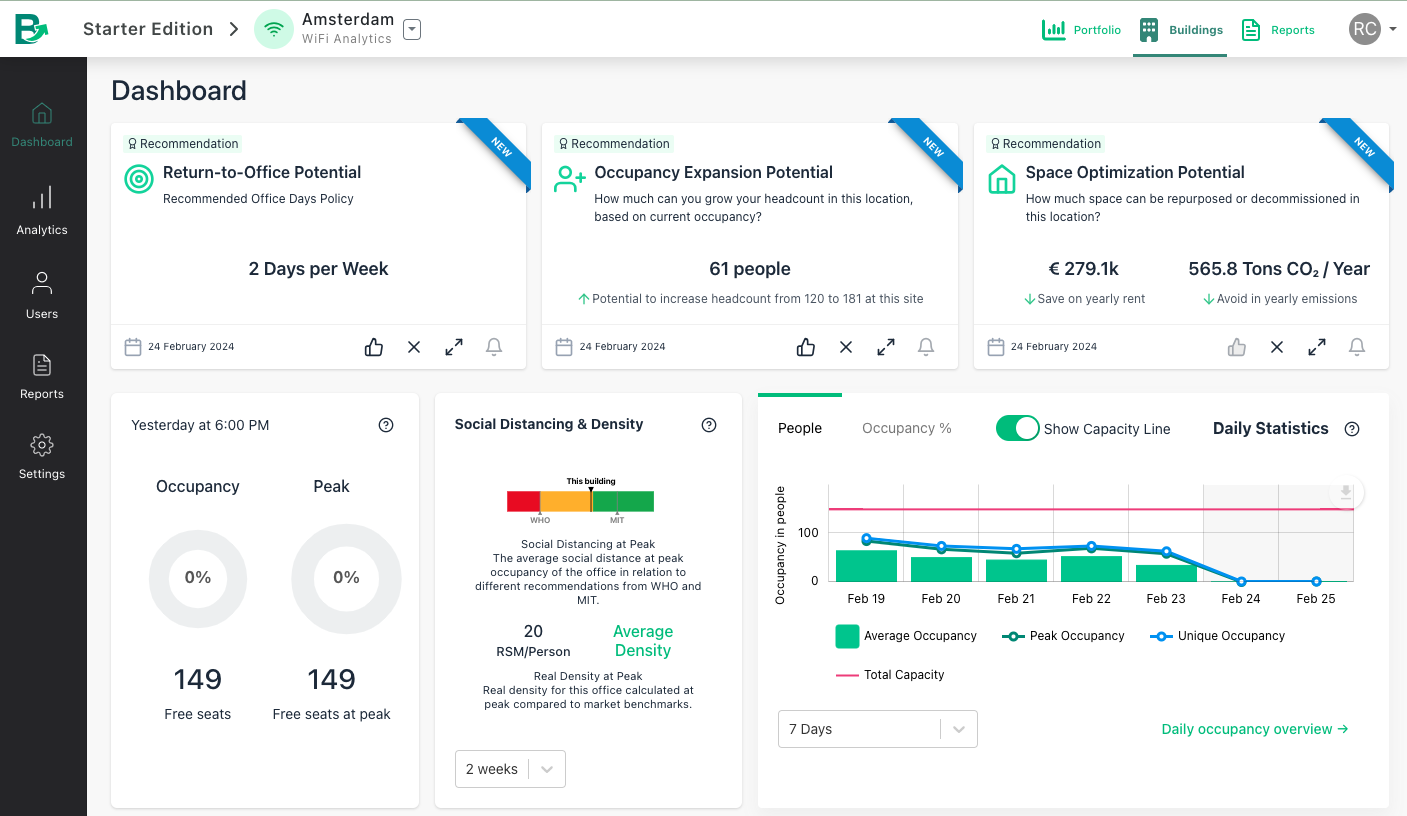
Instead of adding anything to the building, we used something ARAG already had: its WiFi network. Phones and laptops connect to access points all day, so the network already knows roughly how many devices are in each area at any given time. Basking turns that into an anonymous occupancy signal.
Anonymous really is the key word here. There are no cameras and no identity tracking. The data shows how busy a floor or zone is, never who was in it, and it’s GDPR-compliant by design.
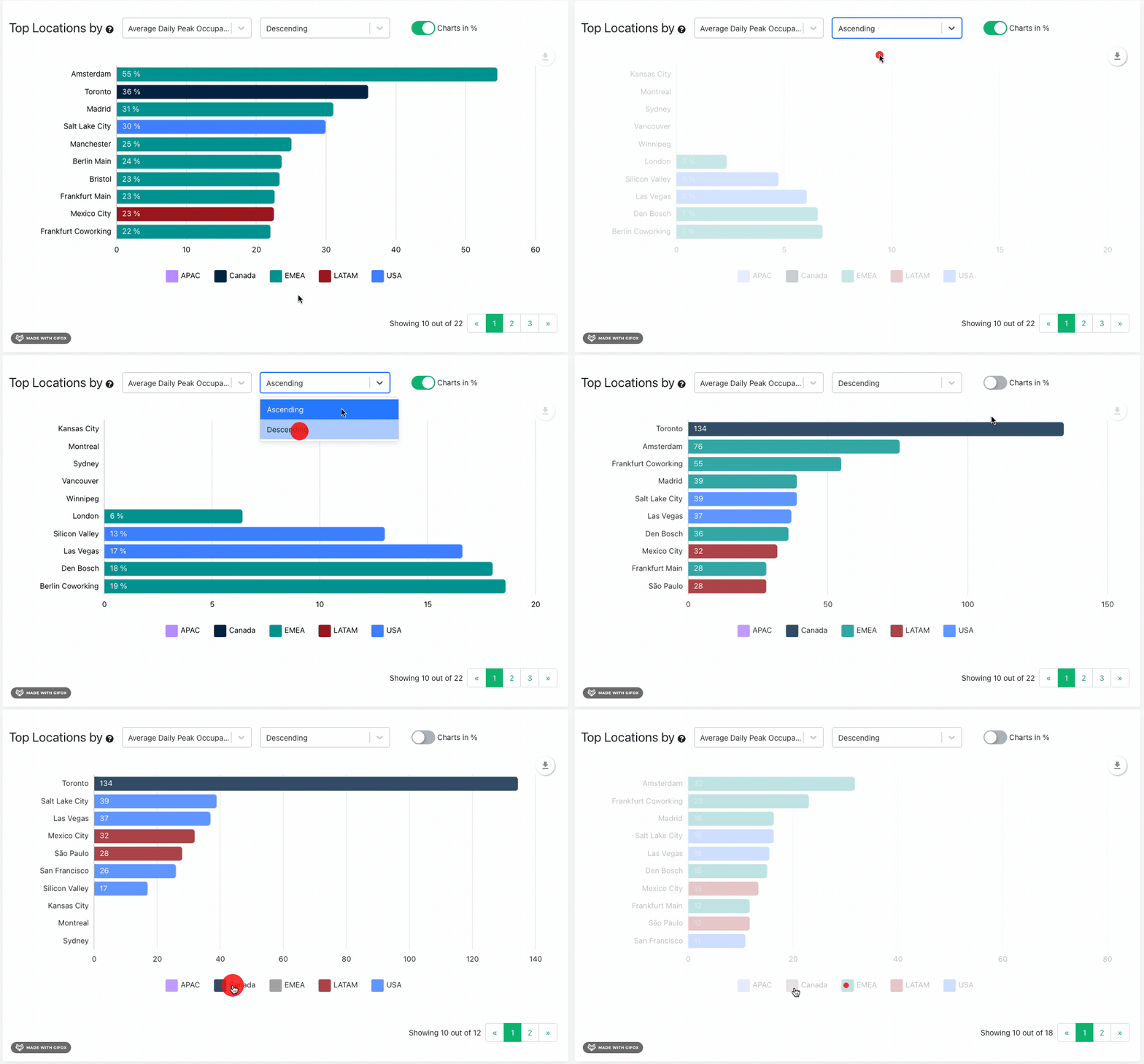
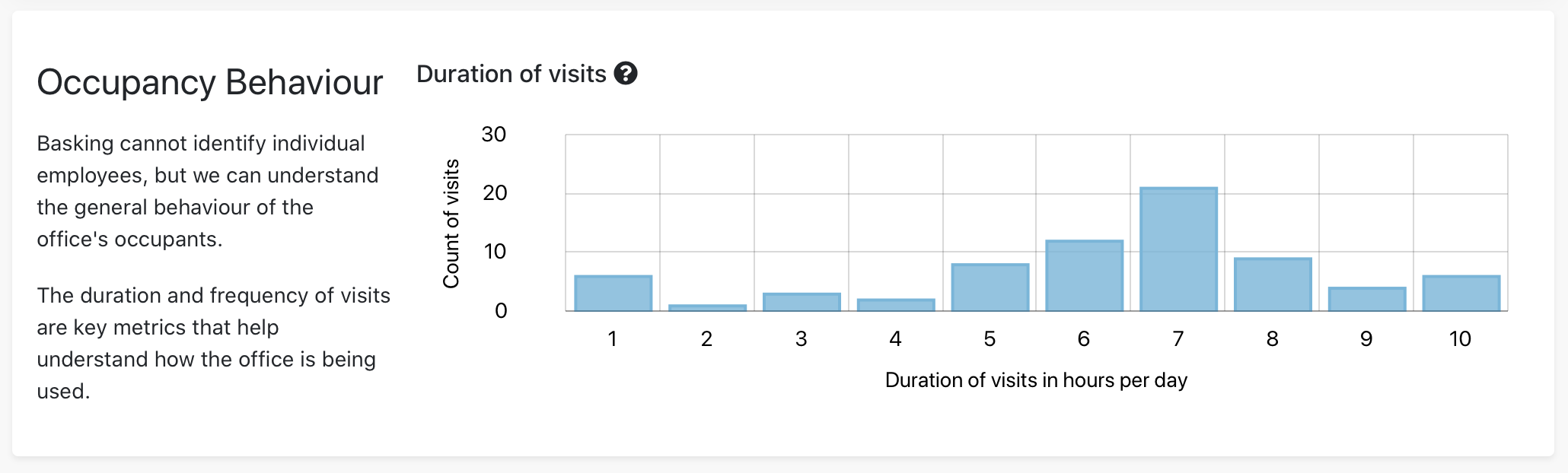
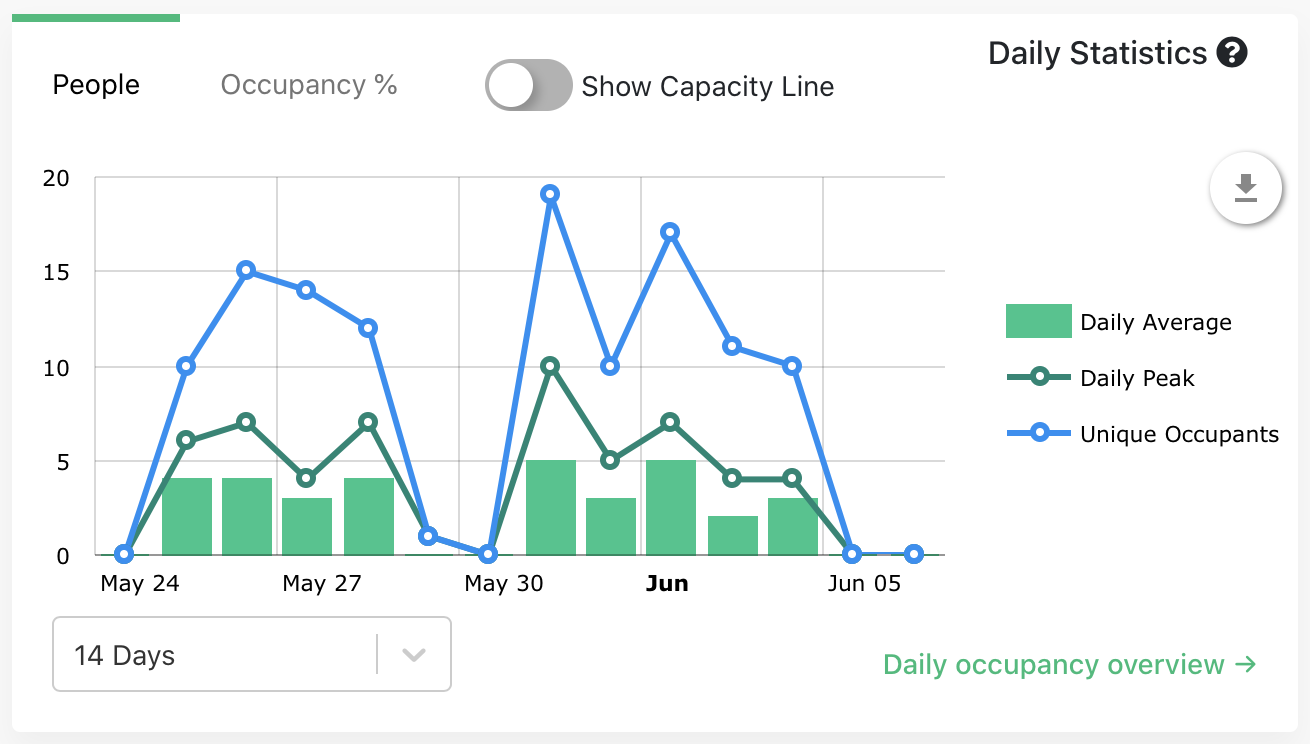
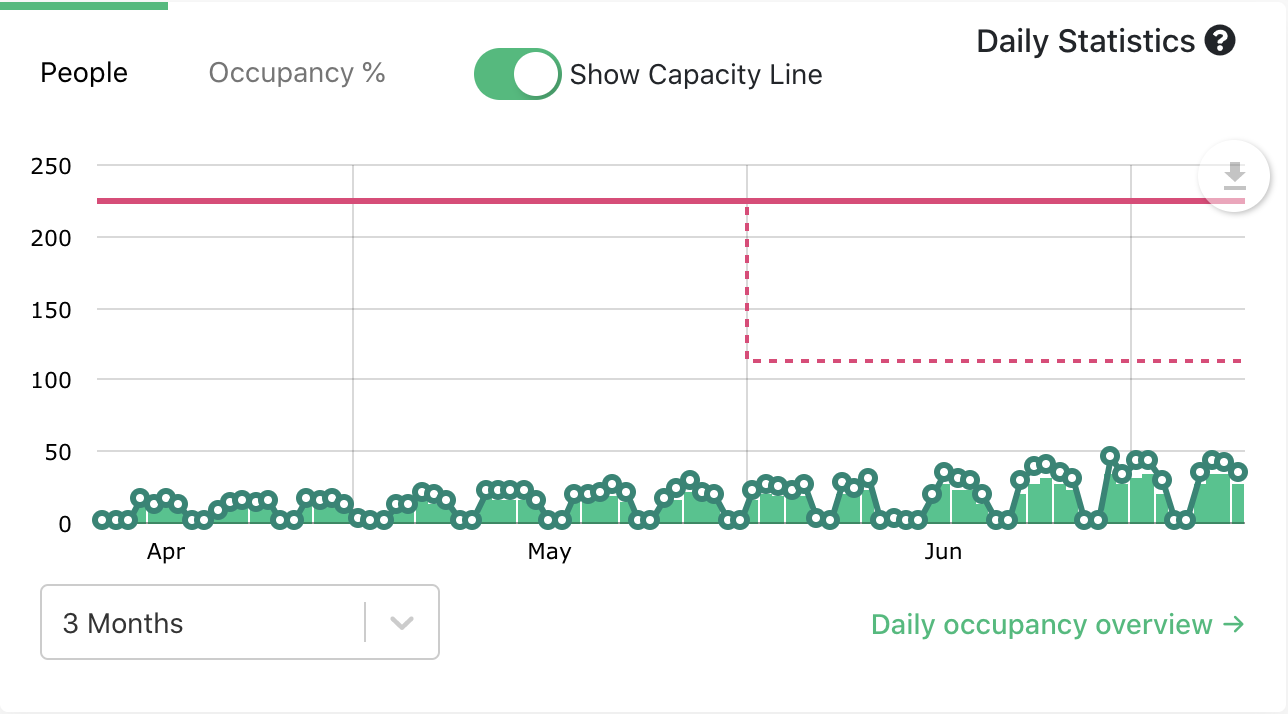
Because there was nothing to install, setup was quick. In under six weeks ARAG had its first actionable insights: how usage changed by day of the week, by hour and by floor.
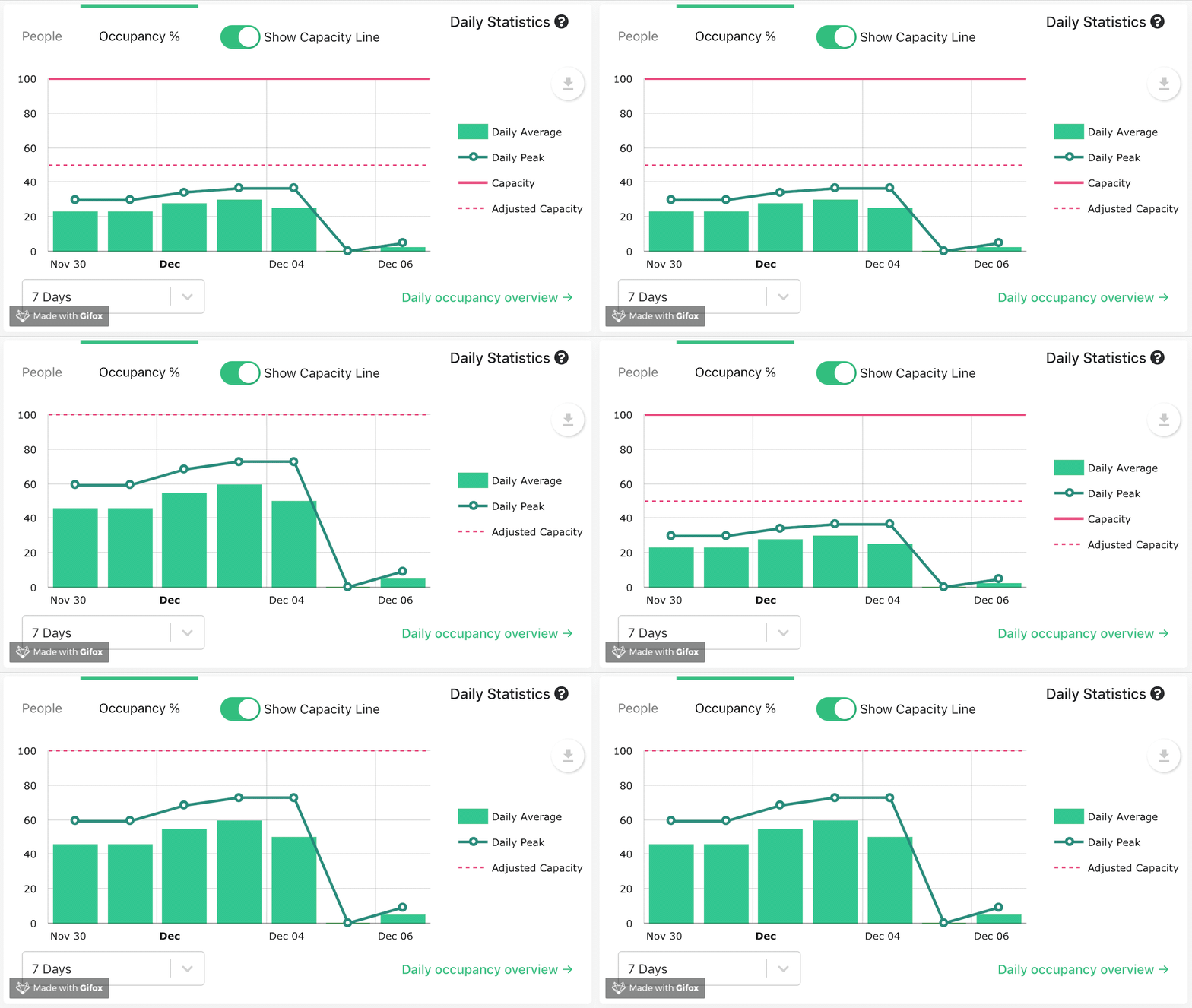
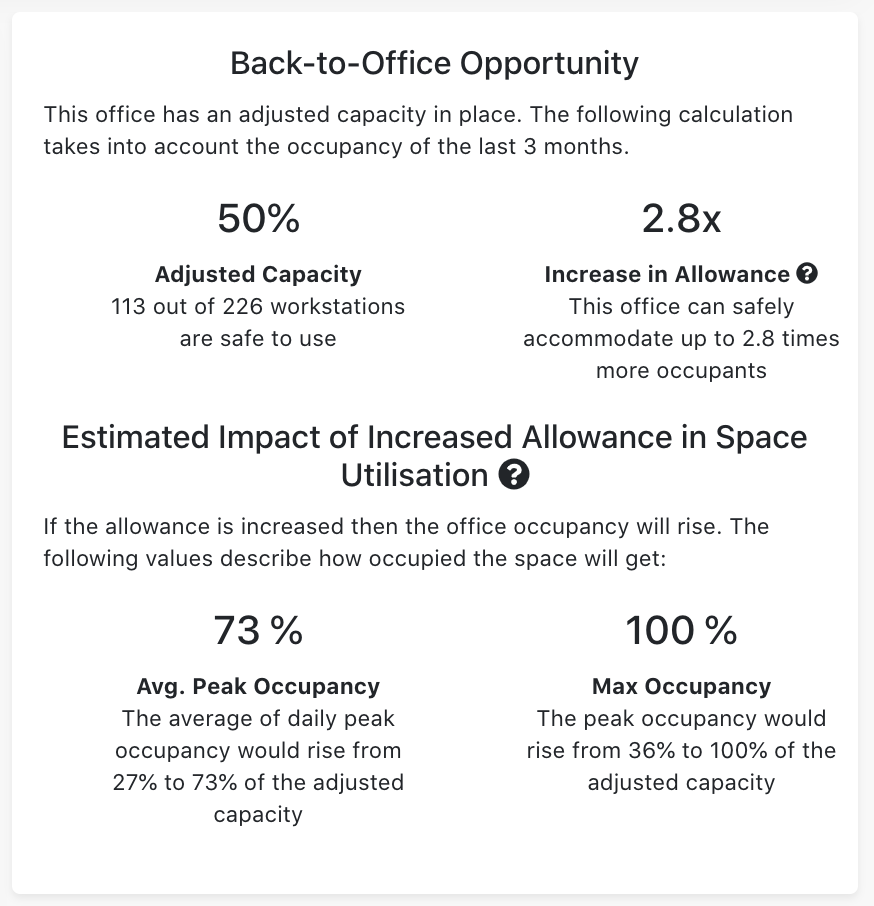
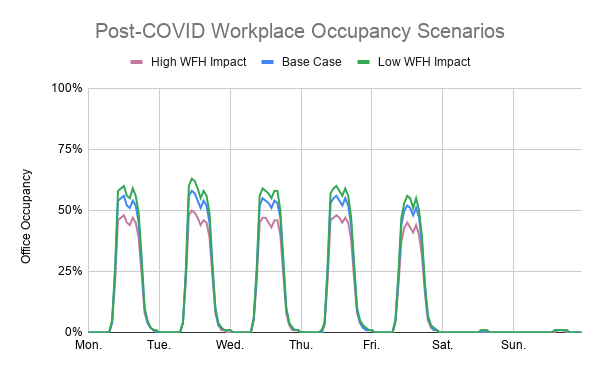
They could also look ahead. What happens to the space if headcount grows? What if one team switches its office days? Instead of debating those questions in meetings, ARAG could model them.
What they found
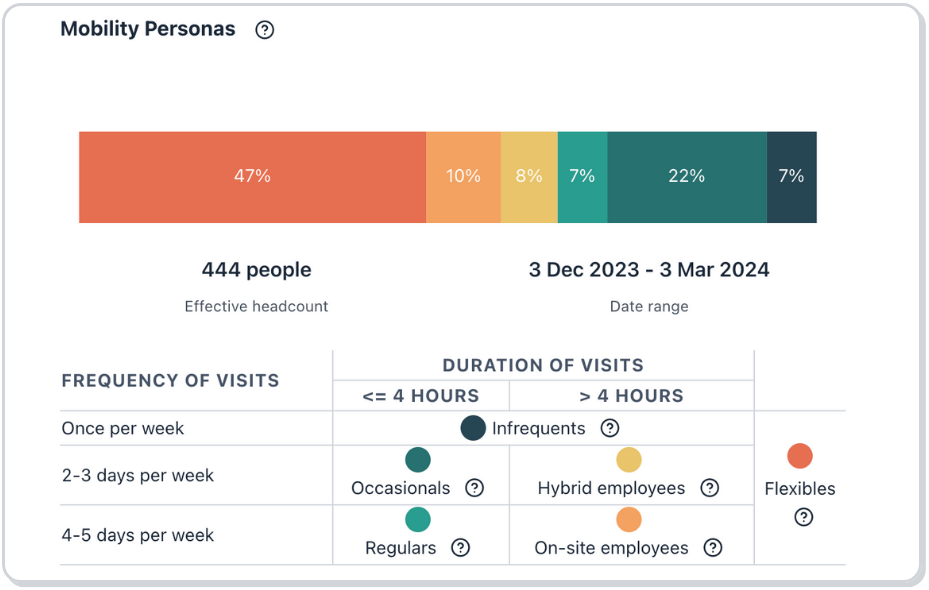
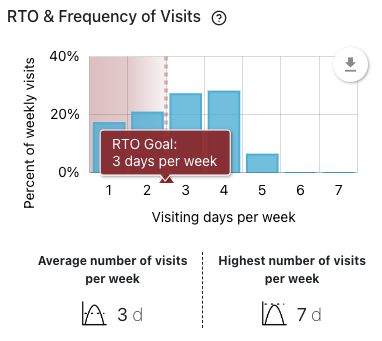
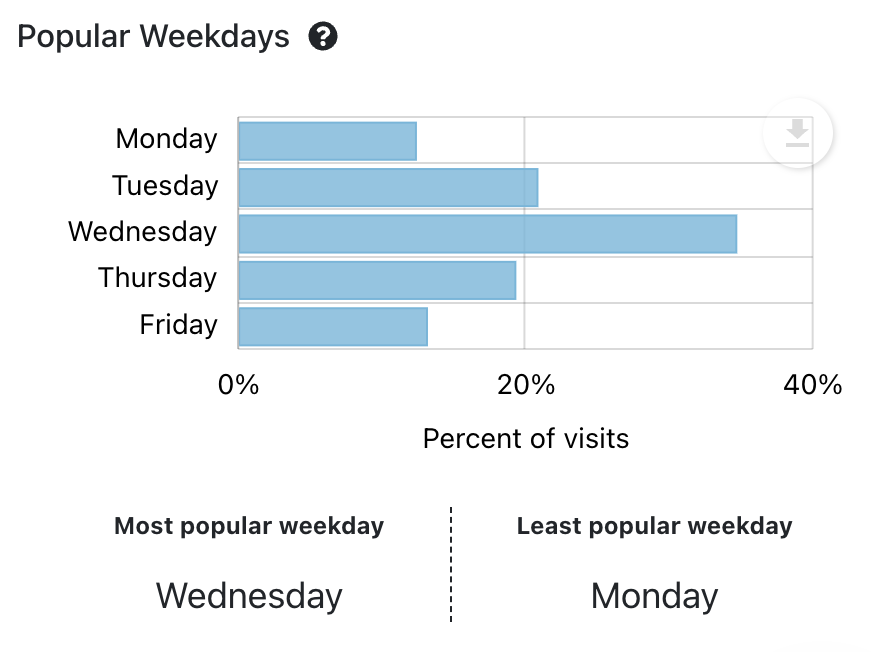
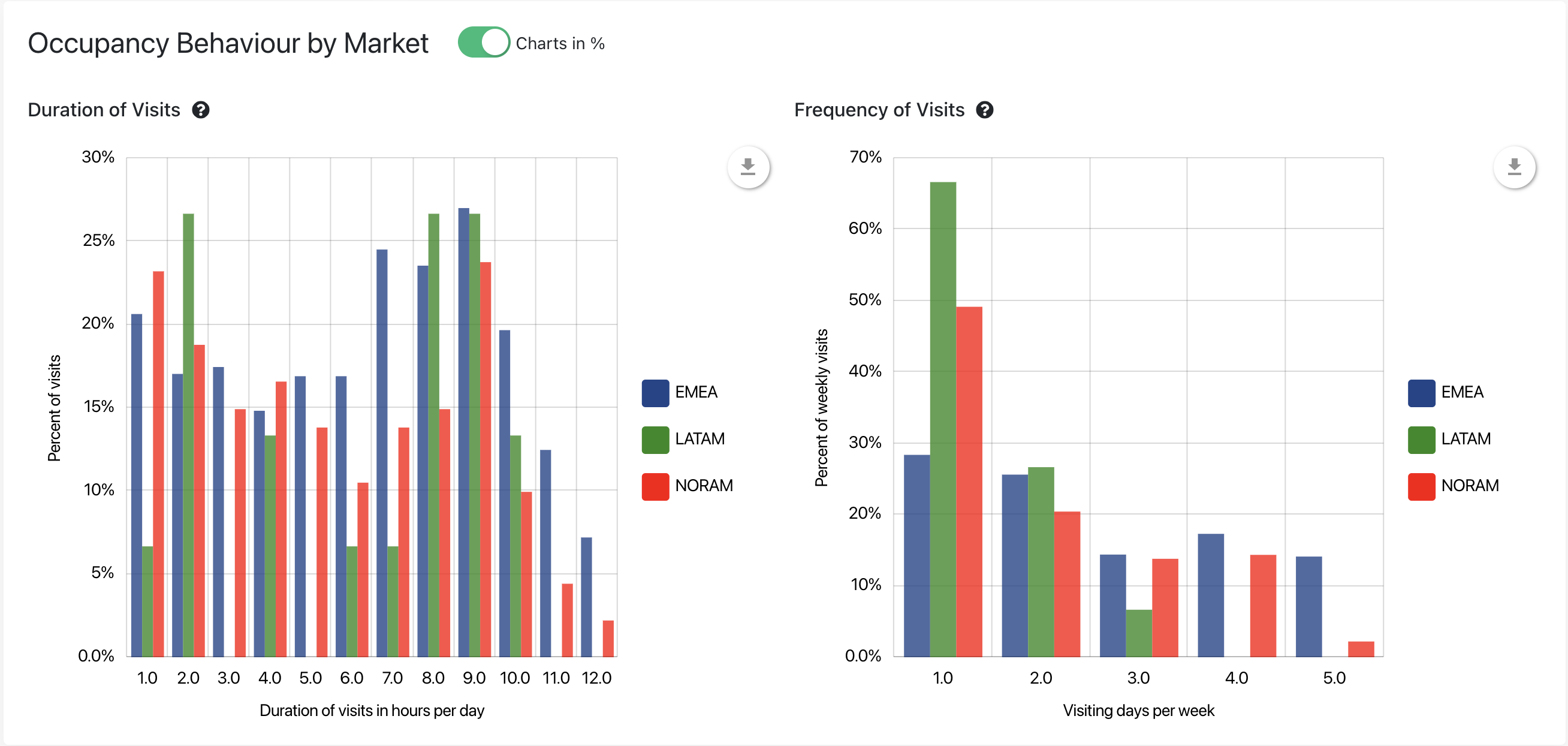
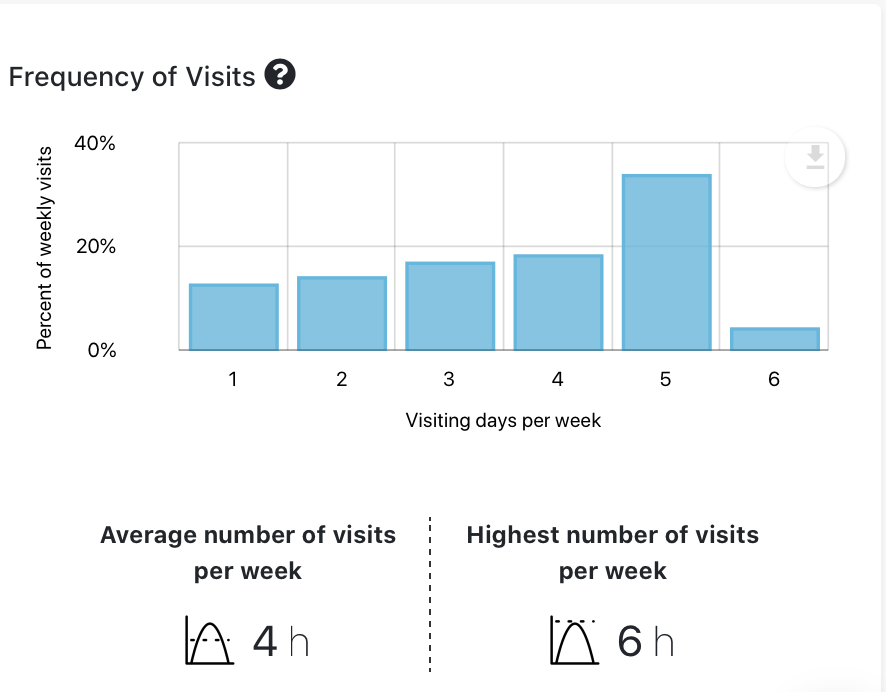
Good news first: the office was well used, busier than the typical European office. People wanted to be there. The more useful part was the detail. Demand wasn’t spread evenly. A few days and a few parts of the building took most of the load, and those peaks were what made the office feel full.
So ARAG’s plan didn’t involve a refit. They’re spreading attendance more evenly across the week, matching the space to how the merged teams actually work, and keeping the measurement running as the business grows.
Basking gave us the clarity we needed at exactly the right time. Their insights helped us make confident, data-driven decisions about our space, our people, and our future workplace strategy.Karen Broughton Facilities Manager, ARAG UKData also changes the conversations inside the company. Without it, a request for more desks is one team’s opinion against another’s, and facilities ends up refereeing.
With usage broken down by day and by floor, you can see which days are actually full and where there’s room to spare. The discussion gets shorter, and the decision is easier to explain to everyone, including the team that didn’t get what it asked for.
Can you answer these about your office?
If you’re dealing with a merger, a lease renewal or a new hybrid policy, try these:

How many people are in on your busiest day, compared with an average day?
Which floors or zones fill up first?
If one team moved its office days, how much would the peak drop?
What happens to the space if headcount grows by 10%?
If most of your answers start with “I think”, you’re where ARAG was before this project.
Your office, measured
See how your office compares
You probably already have the WiFi. ARAG got its first insights in under six weeks. We’ll walk you through what we’d measure in your building and how it stacks up against other European offices.